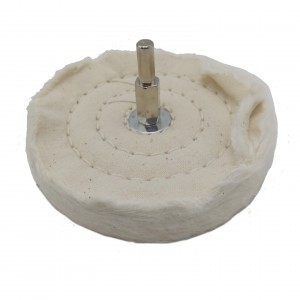
Single sided
Plain Wool Felt Disc
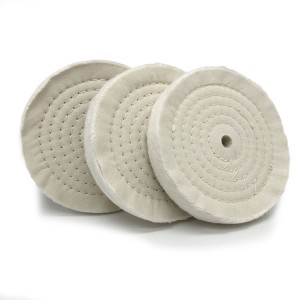
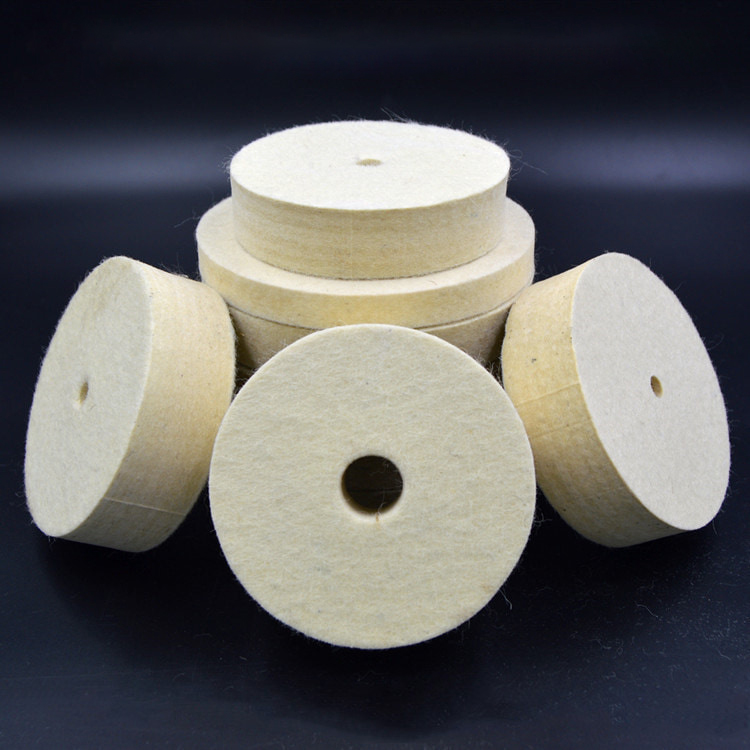
A single-sided cutting and polishing disc with no backing interface. Used dry, or with polishing paste and powder, on flat work where the disc is held or mounted by the customer.
Cut 4 / 4
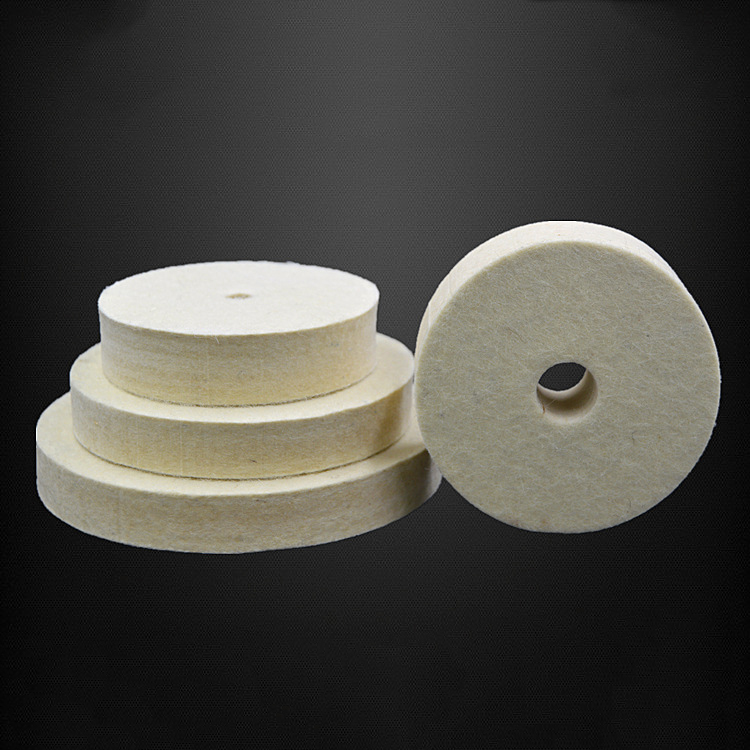
Wool Felt Polishing Disc | 100% Wool Polishing Wheel & Grinding Polishing Pads

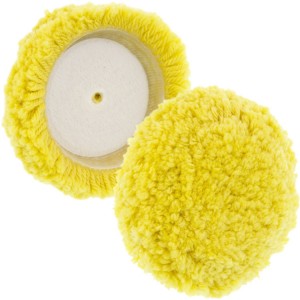
A compressed wool felt wheel for the last 10% of the job. It carries compound in the fibre instead of throwing it off the edge, runs cool on paint, glass and metal, and leaves no loose fibre behind — 100% wool, 3 inch as standard, any diameter on request.

Felt is matted, condensed and pressed fibre — no weave, no pile, no direction. That structure is why a wool felt disc behaves differently from a foam pad: the fibre body holds polishing paste or powder at the working face instead of slinging it outward, so the abrasive stays where the defect is.
It also runs cooler. Wool felt is porous and slightly compressible, so it keeps contact without the heat build-up of a closed-cell pad on a high-speed machine — the difference between polishing a clear coat and burning through it.
Same felt body, different interface. Pick the mounting method first — the diameter, thickness and density follow from the machine and the surface.
A single-sided cutting and polishing disc with no backing interface. Used dry, or with polishing paste and powder, on flat work where the disc is held or mounted by the customer.
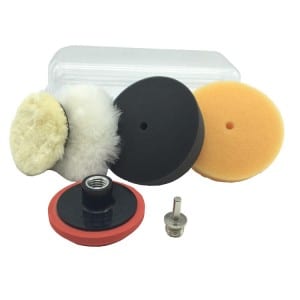
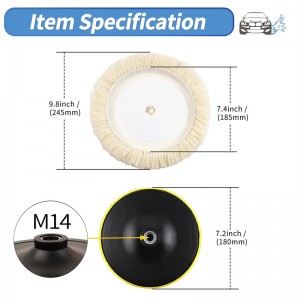
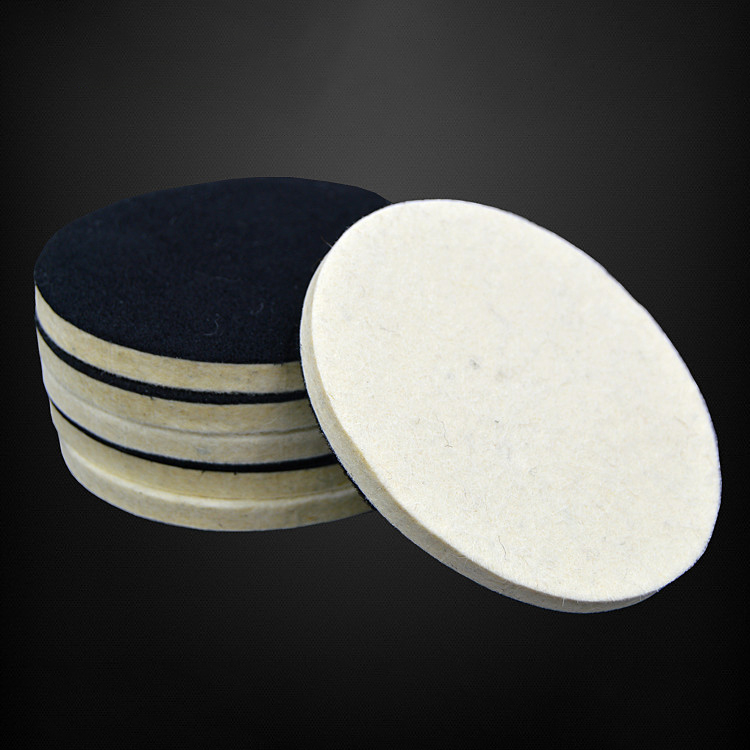
The pad contains a grip attachment that presses onto hook-and-loop backing plates up to 7 inch. Swap grade or diameter in one pull, without re-chucking the machine.
Inside the pad edge sits a curved reinforced plastic backing. It keeps the disc flat under load and stops the edge folding over — smoother polishing and a longer pad life.
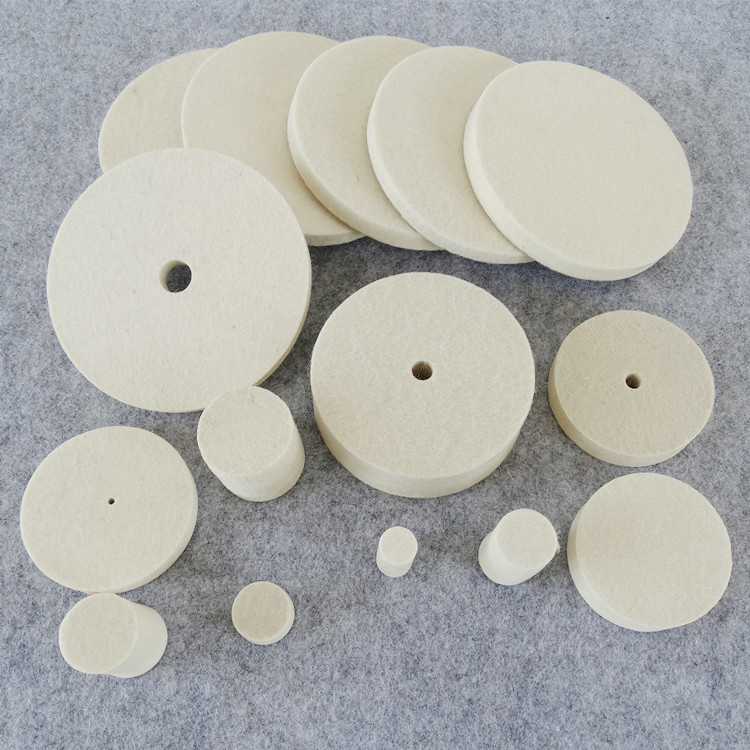
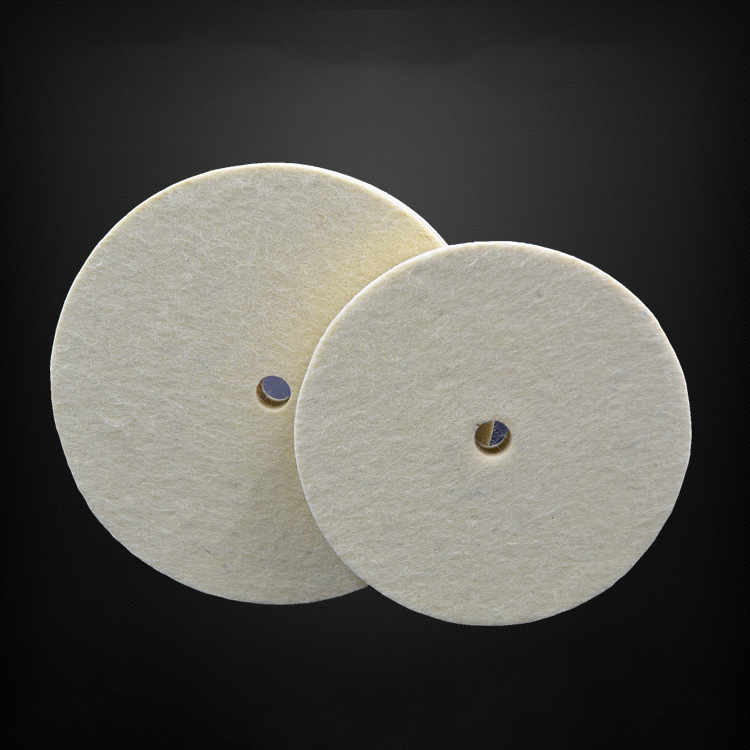
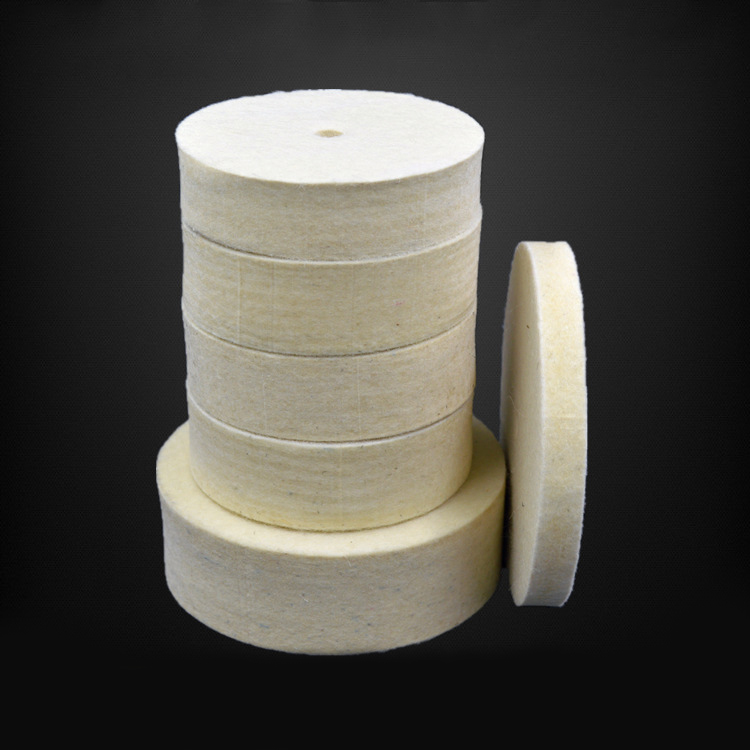
3 inch is the stock size; other diameters, thicknesses and centre bores are cut to drawing. Thick wheels for heavy cut, thin discs for blending and finishing.
Wool felt is the traditional finishing step wherever a surface has to go from “machine marks” to “reflective” without a chemical polish. These are the jobs our discs ship for.
Automotive paintPaint-surface repair: with wax, clear the dust spots and sandpaper traces left after spray work.
Glass & mirrorsEdge work, scratch chasing and final clarity on flat glass.
Ceramics & porcelainGlaze finishing and rim polishing after firing.
Medical instrumentsDeburring and final finish on stainless hand tools and fittings.
Precision instrumentsSmall-part polishing where a foam pad is too soft to hold an edge.
Knives & bladesBevel blending and a mirror pass on the flat.
Gold & silverJewellery polishing where no fibre may be left in a setting.
Precious metalsFinal lustre on small precious-metal components.
Hard plasticsWet or dry finishing on acrylic and polycarbonate edges.
Felt discs are an abrasive carrier, not an abrasive themselves — the cut comes from the compound you load, which is why one disc covers so many substrates. For the mechanics of the process, see polishing.
The disc does not need a break-in period and it does not need a dedicated machine. What it needs is the right compound and a light hand.
Wool felt discs can be run on their own for light blending and for lifting residue, with no compound at all.
Add polishing paste or powder to the face and the felt holds it. More polishing effect, less product thrown off the edge.
The felt takes out the traces the previous process left behind — sandpaper marks under a paint repair, grinding lines on metal.
Grip-backed discs press straight onto the plate. Change grade or diameter without stopping the job for long.
Wool felt is washable. Clean the loaded face, dry it flat, and the disc goes back into rotation instead of the bin.

Every line below is a production variable, not a marketing line. Send the numbers and the disc is cut to them.
| Model | Wool Felt Polishing Pad / Wheel |
| Material | 100% wool felt, imported wool |
| Colour | Natural white / ivory (dyed colours to order) |
| Size | 3 inch standard, other diameters customised |
| Thickness | Thin disc to thick wheel, per drawing |
| Backing | Plain, or hook & loop grip for plates up to 7 in |
| Centre bore | Punched to your arbor size |
| Packing | PP bag or custom printed |
| Sample | 5–7 days |
We have pressed and needled felt since 1983. That is the difference between buying a polishing disc and buying a felt specification: density, fibre grade, thickness and die-cut tolerance are set on our own line, so a repeat order behaves like the first one.
Audited to BSCI and certified to ISO 9001, with RWS wool and GRS documentation available for buyers who need the paperwork in the file. Pneumatic and electric grinders, polishers and drills — the discs are dimensioned to fit the machines already on your customers’ benches.
Click any image to open it full size. Use the arrows or the ← → keys to move through the set.


Final-stage polishing: automotive paint repair, glass, ceramics, medical and precision instruments, knives, gold and silver jewellery, and precious-metal components. It is the step between a machine finish and a reflective surface.
Felt holds paste or powder at the working face and stays cool under load. Foam tends to push compound to the edge and build heat, which is the wrong combination on thin clear coat or on glass.
3 inch is the stock size. Other diameters, thicknesses and centre bores are cut to order — the size range in the gallery shows what the line runs as standard across 3 inch and custom diameters.
The grip version carries a hook-and-loop attachment for backing plates up to 7 inch and presses straight on. Plain discs are supplied without an interface for customers who mount them their own way.
No. The disc is 100% wool felt with no blend, and the compressed structure does not release loose fibre during polishing — the reason it is used where a stray strand would read as a scratch.
Yes, and that is where it performs best. Load paste or powder onto the face and the felt carries it into the defect instead of slinging it away.
Yes. Work the loaded face clean, dry it flat, and it goes back into rotation. That is also why a felt disc costs less per panel than a pad that is thrown away after one job.
Yes. Diameter, thickness, density, dyed colour, centre bore and printed PP bag are all production variables. Samples ship in 5–7 days; MOQ and lead time are confirmed against the final specification.
Tell us the surface, the defect and the machine. We come back with the felt density, the thickness and a price — not a generic catalogue page.
The same needle-punch line also supplies pressed felt for pet houses, cat caves and basket liners — different products, one wool supply chain: